VISUAL SYSTEMS
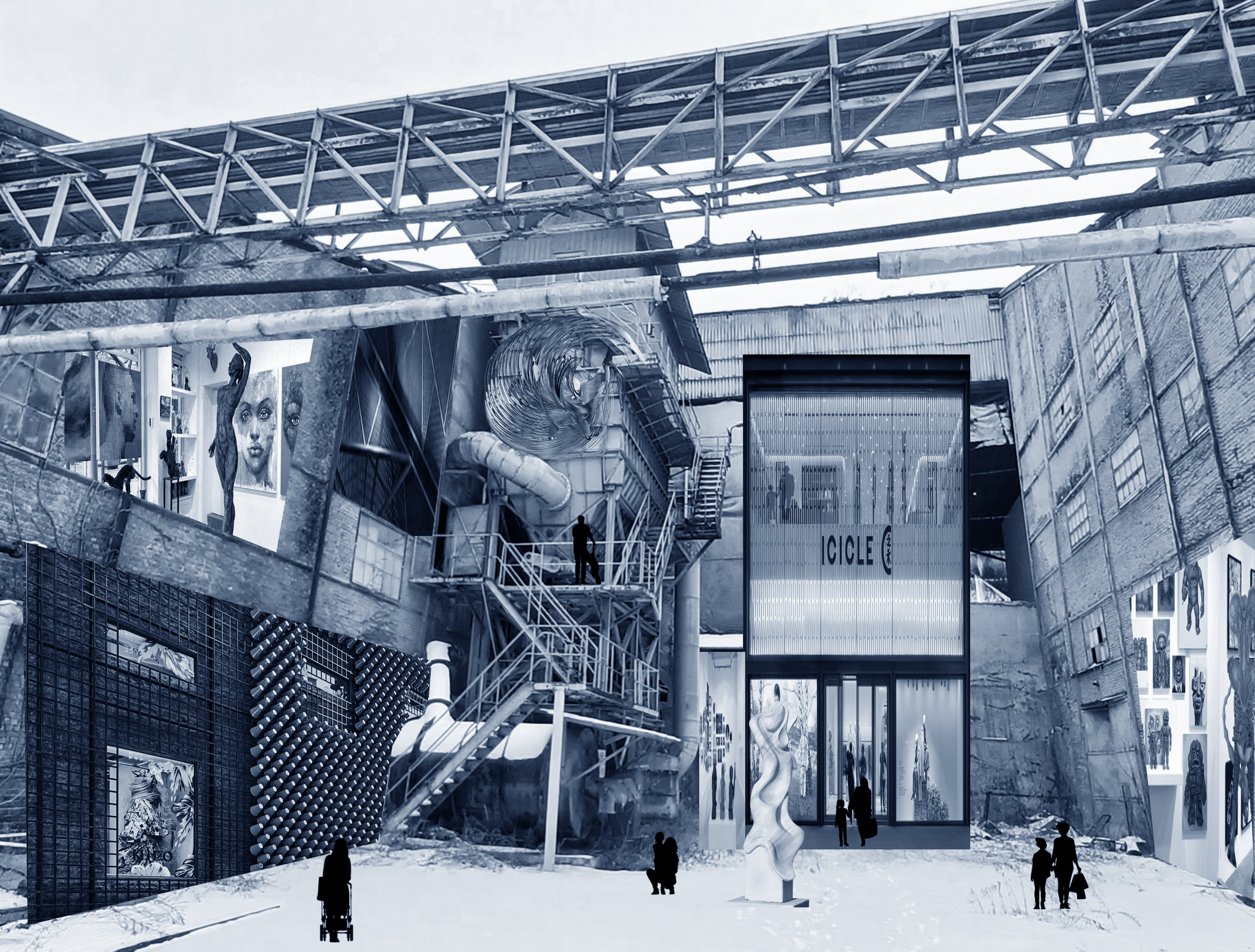
Visual Systems / Computer Graphics & Video
On Atmosphere, Fragmentation, and Emerging Conditions
Q — How would you describe the visual direction of OBJECTS by RENO•VOLT?
The visual direction operates between cinematic observation, graphic experimentation, architectural atmosphere, and environmental documentation.
Rather than creating conventional promotional media, the platform develops visual systems that investigate movement, reflection, spatial tension, and changing cultural conditions.
The work combines:
video fragments
graphic layering
field recordings
environmental footage
typography
material studies
and observational imagery
into an evolving visual archive.
The intention is not to create fixed narratives, but to construct atmospheres that feel suspended between documentation and speculation.
Q — Your visual work often feels fragmented or layered. Why is that important?
Because contemporary experience itself has become fragmented.
People constantly move between:
physical environments
digital interfaces
architectural systems
media circulation
memory
and projected identity
The collage structure reflects those overlapping conditions.
Different visual elements coexist simultaneously:
urban footage, reflections, diagrams, textures, infrastructure, movement, environmental sound, and spatial fragments.
The work attempts to capture how perception itself is becoming layered and transitional.
Q — The visuals feel cinematic, but also grounded in reality. Is that intentional?
Yes.
The project intentionally avoids exaggerated science-fiction aesthetics or artificial futurism.
Most scenes originate from real environments:
museums
infrastructure
transit systems
urban streets
industrial conditions
architectural spaces
and everyday movement
The interest lies in observing how ordinary environments already contain unfamiliar atmospheres and emerging spatial conditions.
The imagery becomes cinematic through perception rather than fabrication.
Q — How do architecture and graphic systems influence your process?
Architecture influences spatial relationships, scale, rhythm, density, and environmental awareness.
Graphic systems influence layering, fragmentation, sequencing, and visual pacing.
The work exists between those conditions.
Even motion graphics or collage compositions are approached architecturally:
through structure, reduction, tension, and controlled atmosphere.
The objective is not visual overload.
It is spatial and psychological immersion.
Q — What role does digital manipulation play within the visual system?
Digital systems are approached carefully and selectively.
The platform is less interested in creating artificial worlds than in slightly shifting perception of reality.
Graphic intervention may occur through:
reflective distortion
fragmented overlays
motion interruption
environmental layering
typography
atmospheric enhancement
or temporal editing
These interventions expand the emotional and spatial reading of an environment without disconnecting it from reality.
Q — Why is movement so central within the videos?
Because the platform itself investigates conditions of transition.
Movement exists everywhere:
through bodies, infrastructure, environments, light, media, weather, and circulation systems.
The videos study those flows through:
pacing
silence
environmental rhythm
fragmented sequencing
and atmospheric timing
The intention is to create emotional movement as much as physical movement.
Q — What role do video and graphics ultimately play within OBJECTS by RENO•VOLT?
They function as part of the architectural framework of the platform itself.
The visual system connects:
objects
environments
bodies
atmosphere
spatial perception
and cultural memory
The archive continuously evolves through observation, experimentation, and environmental response.
Rather than illustrating finished conclusions, the visuals investigate changing conditions of contemporary life through movement, image, and atmosphere.
